
Sorbic Acid Supply from Nigeria
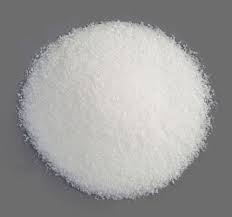
We supply Sorbic Acid to international buyers in various countries worldwide.
Whether you require Sorbic Acid shipped to any global port, our dedicated team ensures efficient, secure, and profitable transactions every time!
Sorbic Acid Trade Specifications
Origin: Nigeria
Product Type: Sorbic Acid
Physical Specification: As per Buyer’s Requirements
Quantity: Based on Buyer’s Needs
Price: Negotiable per Metric Tonne
Trial Order: 20 Metric Tonnes (One 20 ft Container Load)
Trade Process: Ex Works/FOB/CIF
Payment Method: 100% irrevocable SBLC or L/C at sight from a top 25 prime bank
Shipping Time: 15 to 25 days after L/C confirmation
Loading Port: Lagos, Nigeria
Specifications
- Impurities: Maximum of 2%
- Moisture Content: Maximum of 10%
- Inspection: SGS, Cotecna, Bureau Veritas, Intertek
Expected Shipping Documents
- Bill of Lading
- Certificate of Origin
- SGS Inspection Certificate
- Phytosanitary Certificate
- Fumigation Certificate
- Commercial Invoice
- Packing List
At Mashprom Impex, we guarantee the supply of high-quality Sorbic Acid that adhere to stringent global standards, ensuring seamless export transactions tailored to your business requirements.
What is Sorbic Acid?
Sorbic acid is a naturally occurring organic compound that is used as a food preservative. It is also known as 2,4-hexadienoic acid and has the chemical formula C6H8O2. Sorbic acid is found in various fruits, such as berries, and is produced through the fermentation of glucose by certain bacteria.
Sorbic acid is widely used in the food industry due to its ability to inhibit the growth of mold, yeast, and certain bacteria, thus extending the shelf life of food products. Here are some key points about sorbic acid:
1). Preservation: Sorbic acid is primarily used as a preservative in food and beverages. It helps prevent the growth of spoilage-causing microorganisms, thus maintaining the quality and freshness of products. It is effective against a wide range of microorganisms, including yeast, molds, and some bacteria.
2). Food Applications: Sorbic acid is used in a variety of food products, including baked goods, dairy products, beverages, sauces, dressings, and processed meats. It is particularly useful in acidic food environments, but its effectiveness may decrease in highly alkaline conditions.
3). Safety and Regulation: Sorbic acid is considered safe for consumption when used within approved levels set by regulatory authorities. It is generally well-tolerated, but some individuals may be sensitive or allergic to sorbic acid. It is important to check food labels for the presence of sorbic acid if you have known sensitivities.
4). Formulations: Sorbic acid is available in different forms, including granular crystals, powder, or as the potassium salt (potassium sorbate). Potassium sorbate is more soluble in water and is often used in liquid food products or as a preservative in combination with sorbic acid.
5). Other Applications: Apart from its use as a food preservative, sorbic acid also finds applications in cosmetic and personal care products. It is used in various creams, lotions, and topical preparations to inhibit the growth of fungi and bacteria.
It’s important to note that the use of sorbic acid should comply with regulatory guidelines and recommended usage levels to ensure food safety and consumer well-being.
Our trade process spreads across CIF, FOB, TTO, and TTT, depending on the buyer’s preference.
Here’s what they entail:
1). Cost Insurance and Freight (CIF): Here, the seller will handle everything from loading the vessel, paying for insurance, and sending the product to wherever the buyer wants it delivered.
2). Freight On Board (FOB): Here, the seller pays for the transportation of the goods to the port of shipment, plus loading costs, while the buyer pays the cost of marine freight transport, insurance, unloading, and transportation from the originating port to the final destination.
3). Tanker Take Over (TTO): Here, the buyer will take over the vessel, offload the product at their destination, and return it.
4). Tanker To Tanker (TTT): Here, the buyer uses their own vessel, long sides with the seller’s vessel, and then the cargo is transshipped when the transaction is fully settled.