
Sodium Metabisulpite Supply from Nigeria
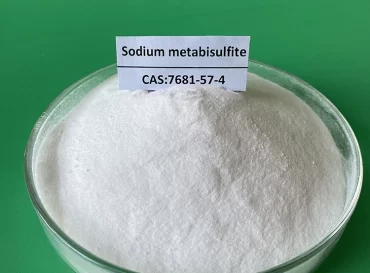
We supply Sodium Metabisulpite to international buyers in various countries worldwide.
Whether you require Sodium Metabisulpite shipped to any global port, our dedicated team ensures efficient, secure, and profitable transactions every time!
Sodium Metabisulpite Trade Specifications
Origin: Nigeria
Product Type: Sodium Metabisulpite
Physical Specification: As per Buyer’s Requirements
Quantity: Based on Buyer’s Needs
Price: Negotiable per Metric Tonne
Trial Order: 20 Metric Tonnes (One 20 ft Container Load)
Trade Process: Ex Works/FOB/CIF
Payment Method: 100% irrevocable SBLC or L/C at sight from a top 25 prime bank
Shipping Time: 15 to 25 days after L/C confirmation
Loading Port: Lagos, Nigeria
Specifications
- Impurities: Maximum of 2%
- Moisture Content: Maximum of 10%
- Inspection: SGS, Cotecna, Bureau Veritas, Intertek
Expected Shipping Documents
- Bill of Lading
- Certificate of Origin
- SGS Inspection Certificate
- Phytosanitary Certificate
- Fumigation Certificate
- Commercial Invoice
- Packing List
At Mashprom Impex, we guarantee the supply of high-quality Sodium Metabisulpite that adhere to stringent global standards, ensuring seamless export transactions tailored to your business requirements.
What is Sodium Metabisulpite?
Sodium metabisulfite is a chemical compound with the formula Na2S2O5. It is also known as sodium pyrosulfite. Sodium metabisulfite is a white or yellowish crystalline powder that is soluble in water. It is derived from the reaction of sodium bisulfite with sodium hydroxide.
Sodium metabisulfite has various applications in different industries due to its properties and reactivity. Here are some key uses of sodium metabisulfite:
1). Food and Beverage Industry: Sodium metabisulfite is commonly used as a food preservative and antioxidant. It helps inhibit the growth of bacteria and fungi, extending the shelf life of food products. It is also used in winemaking and brewing to sterilize equipment and prevent spoilage.
2). Water Treatment: Sodium metabisulfite is used in water treatment processes as a dechlorinating agent. It reacts with chlorine in water to neutralize its disinfectant properties, making it suitable for certain industrial processes or for fish and aquatic life in aquariums.
3). Chemical Industry: Sodium metabisulfite is used as a reducing agent in various chemical reactions. It can be used to reduce or remove certain compounds, such as aldehydes and ketones, in organic synthesis. It is also used in the production of dyes, pharmaceuticals, and other chemicals.
4). Photographic Industry: Sodium metabisulfite is used in developing solutions in the photographic industry. It acts as a reducing agent, helping to stabilize and develop photographic film and prints.
5). Textile Industry: Sodium metabisulfite is used in textile production as a bleach and color-fading agent. It can help remove or lighten colors from fabrics during the bleaching process.
6). Pulp and Paper Industry: Sodium metabisulfite is utilized in the pulp and paper industry as a bleaching agent for pulp. It helps remove lignin and other impurities from the pulp, resulting in brighter and whiter paper products.
It’s important to handle sodium metabisulfite with care and follow proper safety precautions, as it can release sulfur dioxide gas, which can be harmful if inhaled or ingested in large quantities. Additionally, individuals with sulfite allergies should avoid products containing sodium metabisulfite.
Our trade process spreads across CIF, FOB, TTO, and TTT, depending on the buyer’s preference.
Here’s what they entail:
1). Cost Insurance and Freight (CIF): Here, the seller will handle everything from loading the vessel, paying for insurance, and sending the product to wherever the buyer wants it delivered.
2). Freight On Board (FOB): Here, the seller pays for the transportation of the goods to the port of shipment, plus loading costs, while the buyer pays the cost of marine freight transport, insurance, unloading, and transportation from the originating port to the final destination.
3). Tanker Take Over (TTO): Here, the buyer will take over the vessel, offload the product at their destination, and return it.
4). Tanker To Tanker (TTT): Here, the buyer uses their own vessel, long sides with the seller’s vessel, and then the cargo is transshipped when the transaction is fully settled.